
Tired, Cold, and Gaining Weight Is Not Just Being Busy
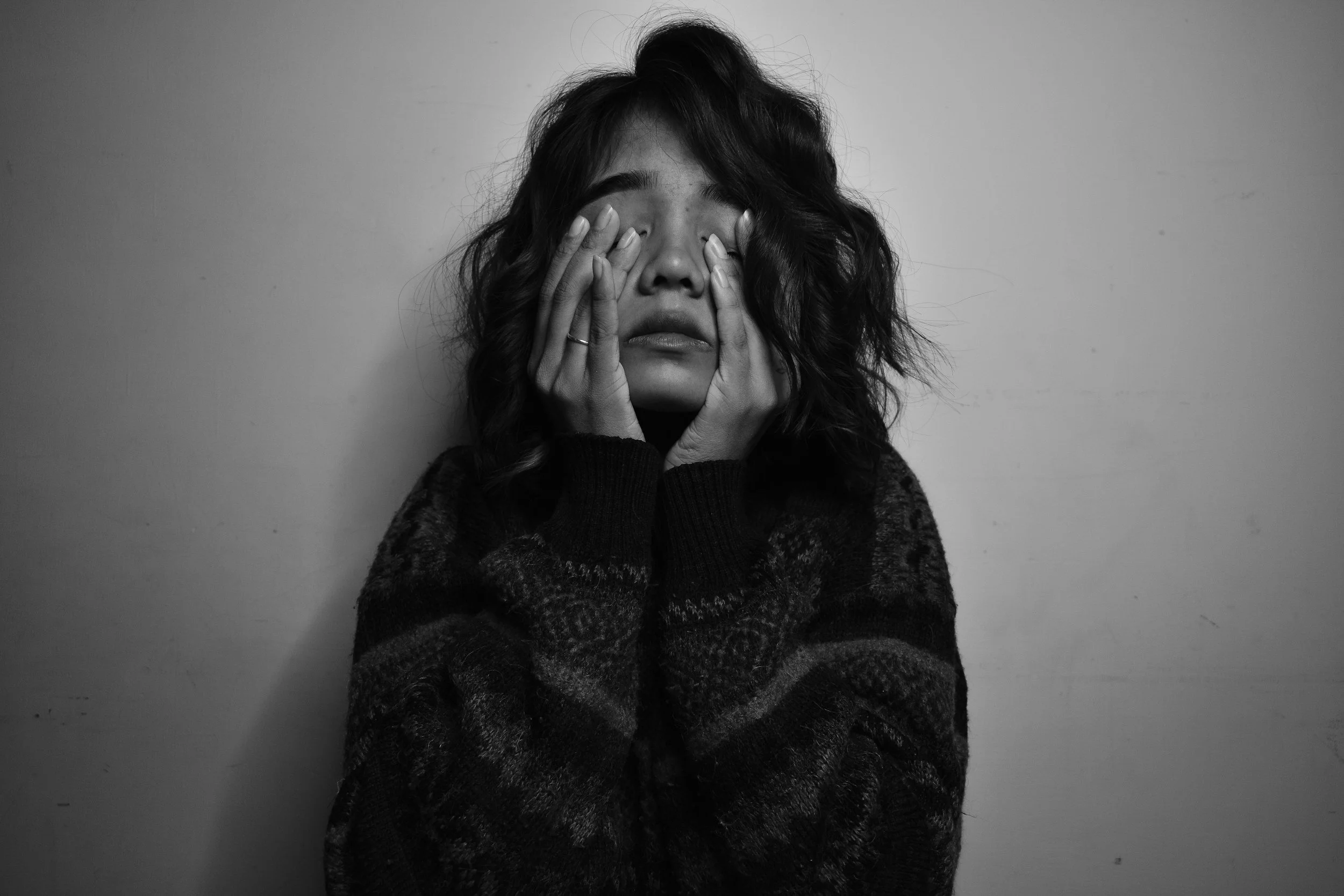
Kate was 41 and had been tired for two years.
Not ordinary tired. She was sleeping eight hours and waking up unrefreshed. She was cold when nobody else was. She had gained 18 pounds without changing how she ate. Her hair was coming out in the shower.
Her periods had become heavy enough to plan around. She was constipated most days. She had started describing herself as “foggy.”
Kate had raised her concerns three times with two different providers.
First, she was told it was stress. Then perimenopause. Then depression.
She was offered an antidepressant, which she took for eight months without much improvement.
When her thyroid-stimulating hormone, or TSH, was finally checked, it was markedly elevated. Her thyroid antibodies were positive.
Kate had Hashimoto’s thyroiditis—an autoimmune condition and the most common cause of hypothyroidism in the developed world.
Six months into treatment, she said:
“I had forgotten what having energy felt like.”
Why Thyroid Disease Gets Missed So Often in Women
Thyroid disease is five to eight times more common in women than in men. It frequently appears during specific periods of life:
After childbirth
During perimenopause
In women with another autoimmune condition
In women with a family history of thyroid disease
The problem is that every individual symptom can easily be attributed to something else.
Fatigue gets blamed on stress, parenting, or poor sleep. Weight gain gets attributed to age and metabolism. Hair loss gets connected to postpartum changes or stress. Heavy periods get blamed on perimenopause. Brain fog can belong to almost anything. Low mood gets labeled as depression.
Any one of these symptoms alone may be unremarkable.
The cluster is the signal.
Unfortunately, that cluster often gets broken apart when symptoms are discussed one at a time during separate, short medical visits.
Kate mentioned fatigue at one appointment, weight gain at another, and heavy periods at a third.
Nobody assembled the pieces.
The Symptom Clusters Worth Taking Seriously
Symptoms of an Underactive Thyroid
An underactive thyroid, or hypothyroidism, may cause:
Persistent fatigue
Waking up unrefreshed
Cold intolerance
Unexplained weight gain
Constipation
Dry skin
Hair thinning or hair loss
Thinning of the outer eyebrows
Heavy or irregular periods
Low mood
Slowed thinking or brain fog
Muscle aches
High cholesterol without an obvious explanation
Symptoms of an Overactive Thyroid
An overactive thyroid, or hyperthyroidism, may cause:
Unintended weight loss
Heat intolerance
Heart palpitations
Anxiety or irritability
Tremors
Loose or frequent stools
Difficulty sleeping
Lighter or absent periods
Hyperthyroidism is less common, but its symptoms are often attributed to anxiety in women, which can delay the correct diagnosis in a similar way.
When the Risk Is Highest
After Childbirth
Postpartum thyroiditis affects a meaningful percentage of women during the first year after delivery. It is routinely mistaken for normal new-parent exhaustion or postpartum depression.
It may begin with an overactive thyroid phase followed by an underactive phase.
During Perimenopause
The symptom overlap between thyroid disease and perimenopause is nearly complete.
That is why thyroid disease in women in their 40s is so often attributed to hormonal changes without being properly investigated.
With Another Autoimmune Condition
Autoimmune conditions tend to occur together. Thyroid testing may be particularly important for women with:
Celiac disease
Type 1 diabetes
Rheumatoid arthritis
Vitiligo
With a Family History
Risk is higher when a close family member—particularly a mother or sister—has thyroid disease.
When Trying to Conceive or During Pregnancy
Untreated hypothyroidism can affect fertility and pregnancy outcomes. The thresholds for monitoring and treatment are also different during pregnancy.
Women who are trying to conceive or are newly pregnant should discuss thyroid testing with their healthcare provider.
What to Test
TSH
TSH is the standard first-line thyroid test and is highly sensitive.
An abnormal TSH result can indicate that the thyroid is producing too much or too little thyroid hormone.
Free T4
Free T4 is generally checked when TSH is abnormal. It may also provide important context when symptoms are significant but the TSH result is borderline.
TPO Antibodies
Thyroid peroxidase, or TPO, antibodies can help identify autoimmune thyroid disease such as Hashimoto’s thyroiditis.
Positive antibodies can also provide information about the condition’s likely progression over time.
This Is Not an Argument for Testing Everyone
Formal screening organizations have not found enough evidence to recommend universal thyroid screening for every adult without symptoms.
That is worth stating clearly rather than overselling testing.
This article is not an argument for screening every asymptomatic woman.
It is an argument that a cluster of thyroid-related symptoms—especially in a woman within one of the higher-risk periods—is not asymptomatic.
That is a different situation, and it deserves appropriate testing rather than another explanation for why she feels unwell.
What Bastion Clinicians Tell Women Who Feel Like This
Bring the entire list to one appointment.
Do not mention fatigue this month, heavy periods next month, and weight gain at a later visit. Write down every symptom and present them together.
The cluster is what may make the underlying condition clear.
Split across three appointments, it can look like three unrelated complaints from a busy woman. That is precisely how two years disappear.
Trying an antidepressant was not necessarily the wrong decision for Kate. It was simply aimed at the wrong condition—and eight months passed while it was being tried.
Get It Checked Properly
Bastion’s at-home wellbeing screening includes thyroid testing. Your results are reviewed with a licensed provider who will consider your complete symptom picture rather than evaluating one complaint at a time.
Not sure which screening is right for you? Talk to a Bastion Care Coordinator.
